
The journey from isolated AI successes to enterprise-wide transformation is proving more complex than many organizations anticipated. While technical excellence matters, the primary barriers to scale are organizational rather than algorithmic.
A fundamental shift occurs when AI moves from one team to many. What worked in pilots - informal processes, tribal knowledge, and concentrated expertise - breaks down at scale. Organizations need a new operating model that balances centralized infrastructure with domain-specific innovation. The most successful approach is a hub-and-spoke model where platform teams build reusable components while business units own specific use cases and outcomes.
Governance emerges as a critical enabler or barrier to scale. Traditional approval processes designed for conventional software development fail to address AI's unique characteristics - models need retraining, performance degrades differently than software bugs, and data pipelines require continuous monitoring. Leading organizations are shifting from manual committee reviews to automated governance through versioned code, pre-approved templates, and clear decision thresholds.
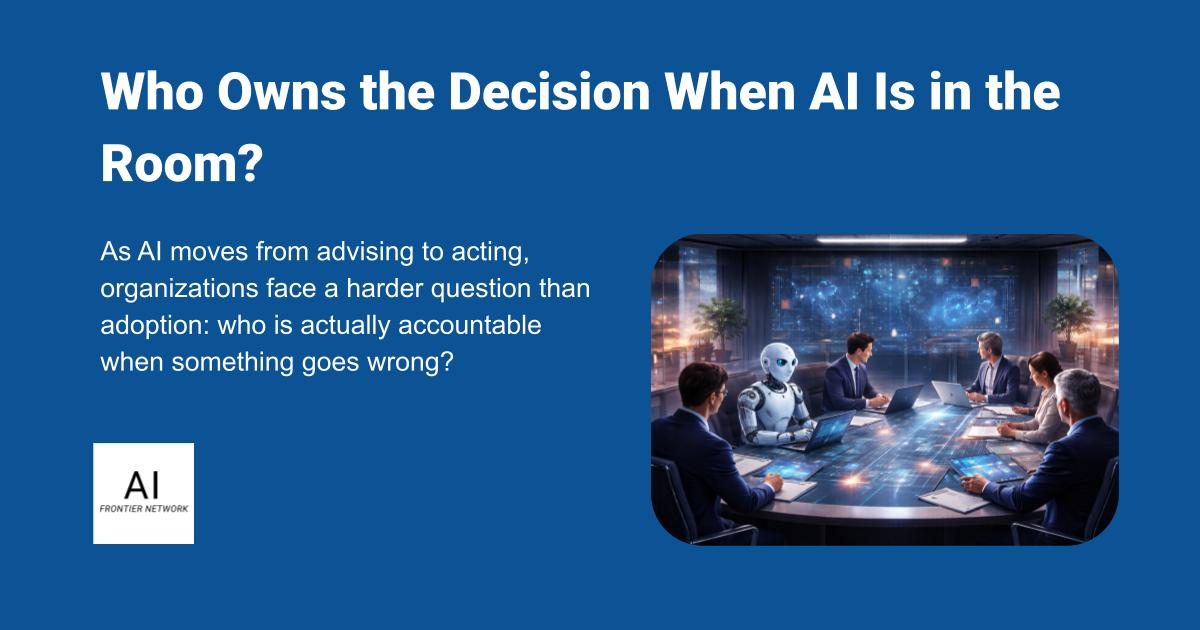
The role of leadership becomes decisive once AI transitions from experiments to business-critical systems. Executives must actively demonstrate new behaviors: treating algorithmic incidents with the same gravity as financial controls, demanding transparency in operational metrics, and personally modeling evidence-based decision-making. Most importantly, they need to realign incentives to reward not just innovation but sustained adoption and measurable business outcomes.
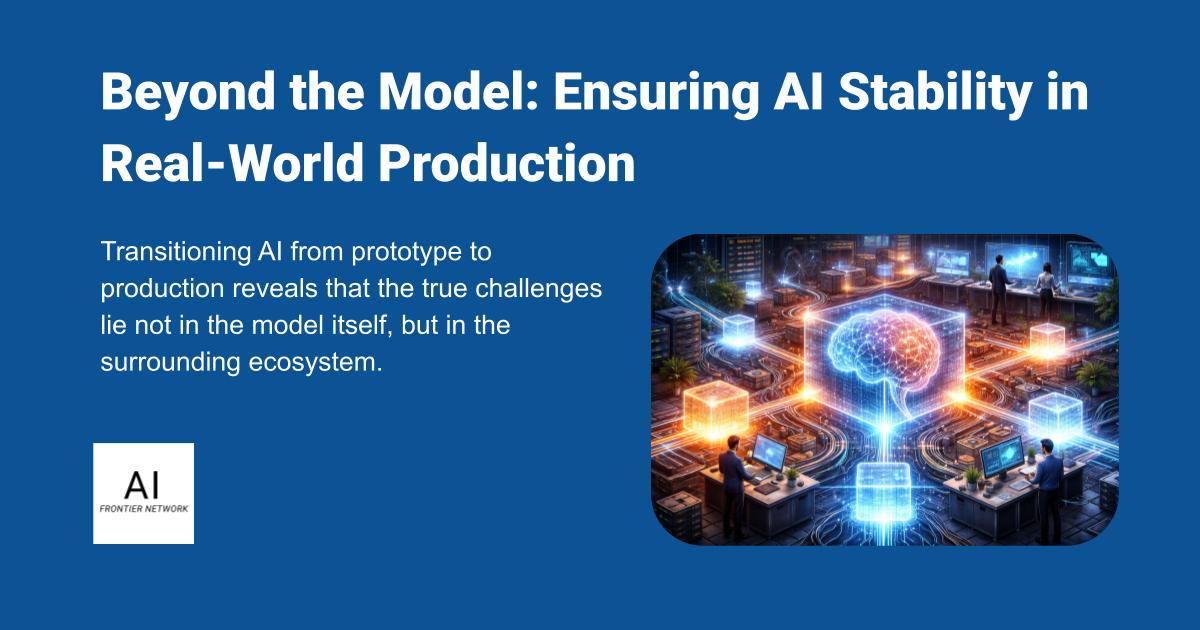
Success ultimately comes when organizations stop treating AI as a special initiative and start embedding it as invisible infrastructure. This means delivering predictions through standard enterprise systems, measuring costs alongside other utilities, and monitoring performance like any critical service. When AI becomes unremarkable in operations but transformative in impact, true scale has been achieved.