AI Frontier Network
Professional identity inside the enterprise AI ecosystem.
For practitioners and operators deploying real systems. Membership gives you an AI Frontier Profile and connects your panels, predictions, and contributions to it over time.
Who this is for
- ·Engineers deploying production AI systems
- ·Applied ML practitioners inside organizations
- ·Operators navigating governance, reliability, and scale
- ·Founders building AI infrastructure
- ·Executives accountable for AI adoption and outcomes
Not a beginner education platform. Not a hype news feed. Not a growth-hacking community.
Members in the Network
People contributing operating knowledge across enterprise AI, governance, infrastructure, and deployment.



Membership
Associate
Your professional presence in the network.
- ·AI Frontier Profile ↗
- ·Profile-linked Insight Panel participation ↗
- ·Profile-linked prediction submissions
- ·Visible record of contributions over time
Executive
Everything in Associate, plus editorial participation.
- ·AI Frontier Profile ↗
- ·Profile-linked Insight Panel participation ↗
- ·Profile-linked prediction submissions
- ·Visible record of contributions over time
- ·One practitioner article per year ↗
- ·Consideration for interviews and editorial features
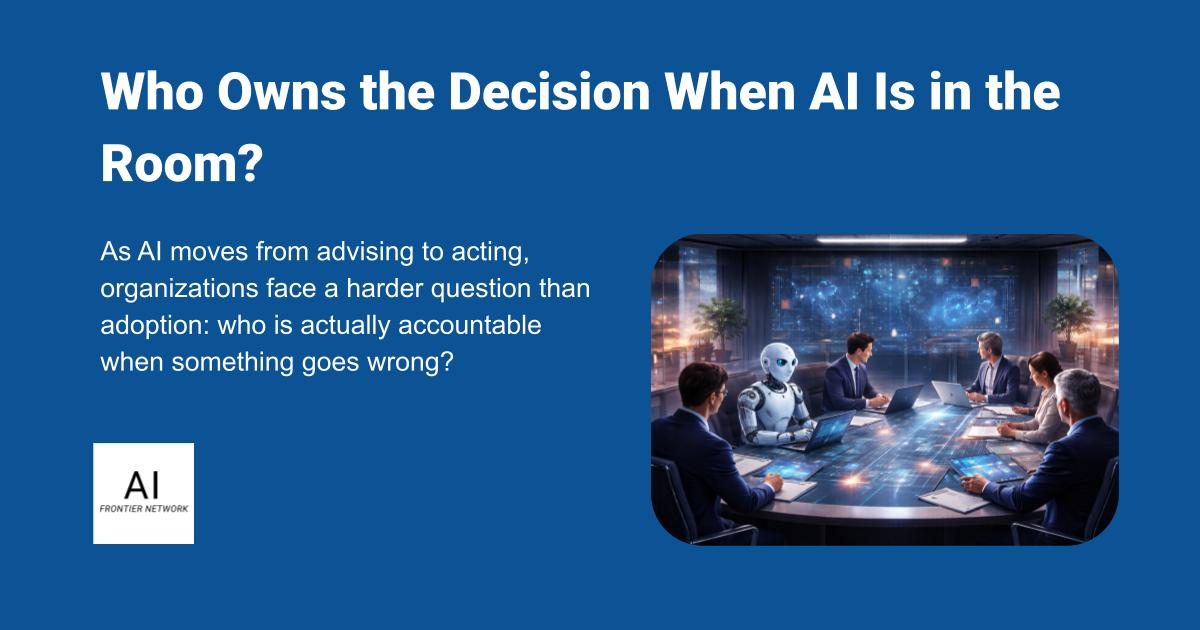
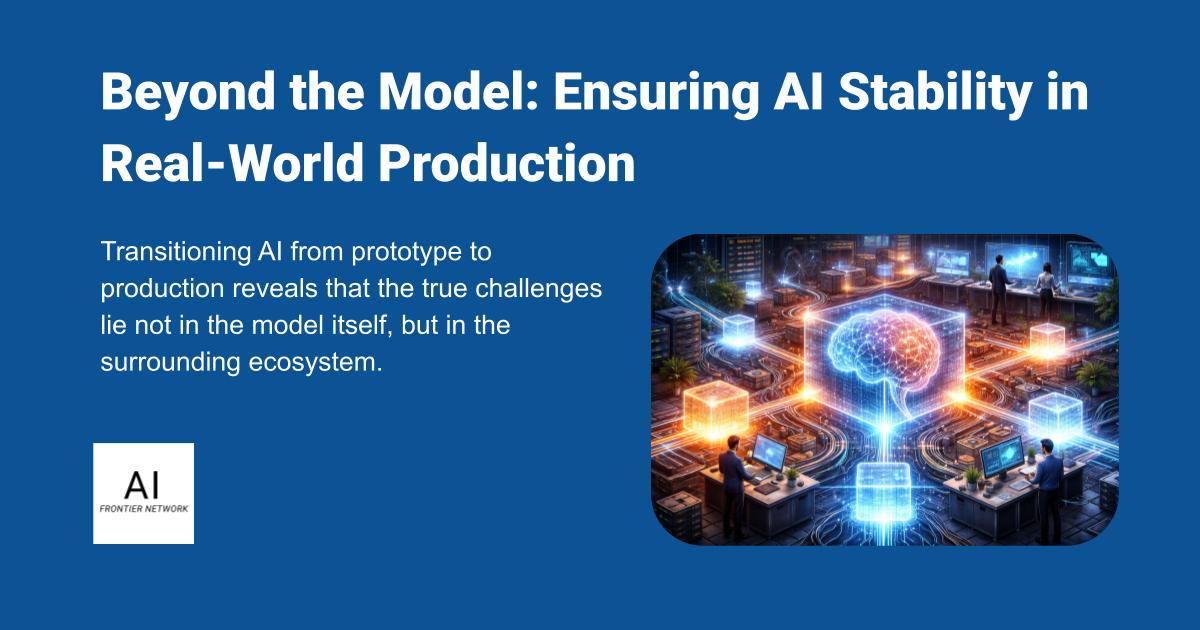
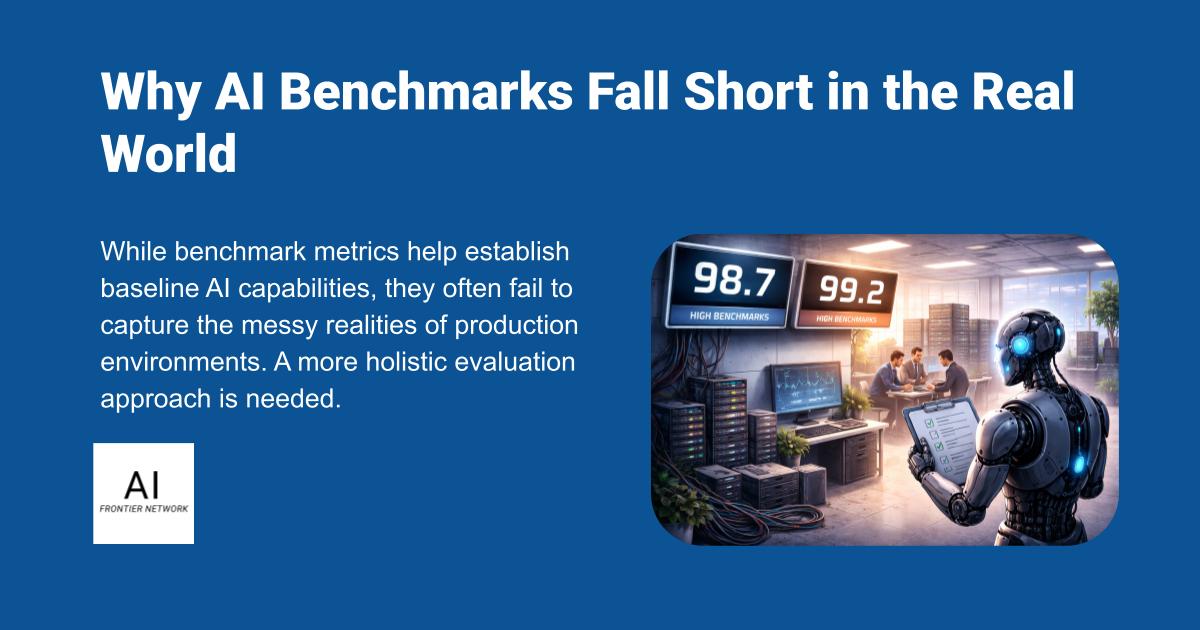
Recent Insight Panels
Structured perspectives from operators and decision-makers.




Membership is not certification, award status, or guaranteed promotion. It is a record of contribution — panels, articles, and practitioner work connected to a persistent professional profile.
Member Perspectives
What practitioners say about contributing to the network

“As an AIFN member and Ambassador, I've had the privilege of representing a global community focused on the intersection of AI and financial innovation — collaborating with practitioners, sharing deployment insights, and contributing to conversations that matter to the people doing the actual work.”
Rahul Bhatia
Co-Founder & Cloud Solution Architect

“AIFN gave me a place to explore collaboration with people who are serious about impact — not hype. The conversations are grounded in real constraints: governance, adoption, the hard organizational work of making AI actually function inside institutions.”
Pierre A. Morgon
CEO, Board Director, Entrepreneur

“What I value is the quality of the conversation. AIFN attracts people who are working on the operational side — the people responsible for making AI work under real conditions, not just talking about what it might do.”
Srinivas Chippagiri
Sr. Member of Technical Staff, Tableau
Apply
Membership is for practitioners building under real constraints — and willing to contribute what they've learned.