Insights
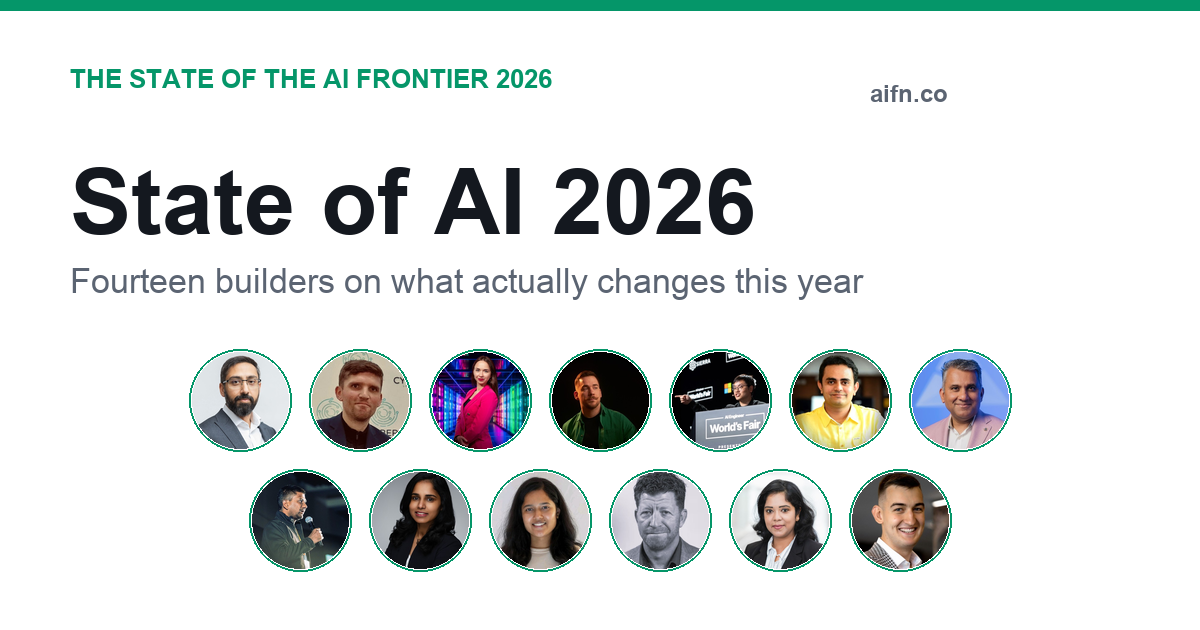
State of AI 2026: Fourteen Builders on What Actually Changes This Year
Fourteen leaders who build and deploy AI — from Microsoft and JPMorgan Chase to fast-moving startups — on the themes that define 2026: the ROI reckoning, governance as the real gate on agents, silent failures, and the human question.
Shrav Mehta of Secureframe on Building AI in Production
Shrav Mehta, founder and CEO of Secureframe, on using AI to cut the manual work of security and compliance — from long-running agents and continuous penetration testing to keeping sensitive systems protected with clear permission boundaries.
The Frontier Moved: Capability Is Abundant, Agency Is the Bottleneck
Across a single 2026 release window, five frontier labs converged on near-interchangeable top-end capability while token prices collapsed. The real frontier is no longer benchmark scores but agentic reliability and governance, and the corpus shows deployment stalling exactly there, even as governed rollouts post concrete returns.
The AI Buildout Is Now a Financing Story, Not a Compute One
Hyperscaler capex has pushed free cash flow to zero or below while the sector leans on debt, customer prepayments, and vendor loops. The open question is no longer capacity, but whether returns arrive before the financing comes due.
The New Labs: Four Frontier Founders Betting Against the Incumbents
The AI frontier is fragmenting. Ilya Sutskever, Mira Murati, Fei-Fei Li, and Alexandr Wang are each running a focused independent lab with a distinct thesis—safety-first, human-centered, spatial, and scale-and-policy—rather than chasing the same general model. A tracker's read on what each is actually building, grounded in first-party sources.
Demis Hassabis Is Running a Different Race: Inside Google DeepMind's Science-and-Agentic Bet
While much of the frontier is organized around raw scale, Demis Hassabis and Google DeepMind are pursuing a narrower, more idiosyncratic thesis: AI as an instrument of scientific discovery and autonomous action, distributed through national partnerships and open models. We track the position and what it commits them to.



Scaling E-commerce Support with AI Solutions
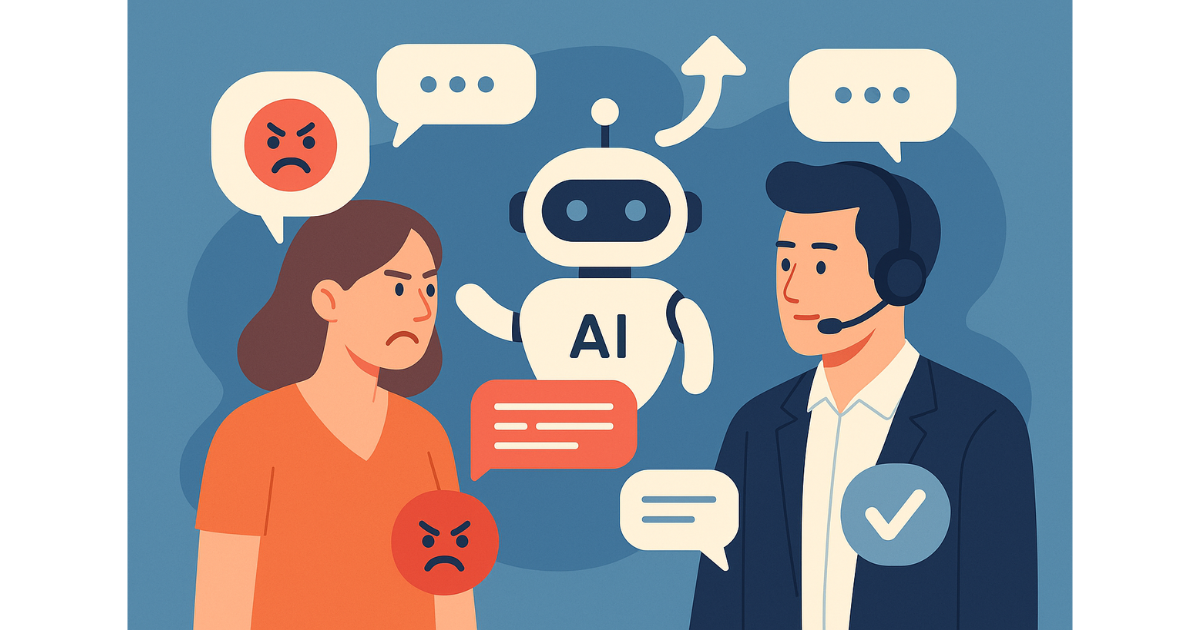
How e-commerce platforms can scale customer support without sacrificing quality: a hybrid AI-plus-humans model, operational metrics that matter, and best practices drawn from ZONE3000's experience supporting a global domain registrar.


Jans Aasman of Franz Inc. on Building AI in Production
As CEO, I lead the vision and development of AllegroGraph, a Neuro-Symbolic AI platform that guides enterprise customers in building agentic AI applications that reason over complex data and operationalize trustworthy, explainable AI at scale.



Jason Riback of MediaMint on Building AI in Production
At MediaMint, we are building Agentic Growth Services capabilities and embedding specialized teams powered with AI assistants into enterprise workflows to run and scale go-to-market, customer success, marketing and data operations with measurable outcomes.

Kevin Surace — AI-First Leadership, QA Automation, and the Future of Work
Kevin Surace is the CEO of Appvance and a longtime Silicon Valley builder known for moving easily between hard engineering problems and big-picture thinking about what comes next. Often described as the father of the virtual assistant, he’s led work that spans early cellular data smartphones, human-like AI assistants, and newer applications of generative AI in software testing. He also holds 94 worldwide patents and has been recognized across tech and innovation circles, including honors from Inc. Magazine, CNBC, and the World Economic Forum. What makes his background especially distinctive is that it isn’t limited to software: he’s also worked in entertainment, which gives him a practical view of how creativity and technology can feed each other rather than compete.


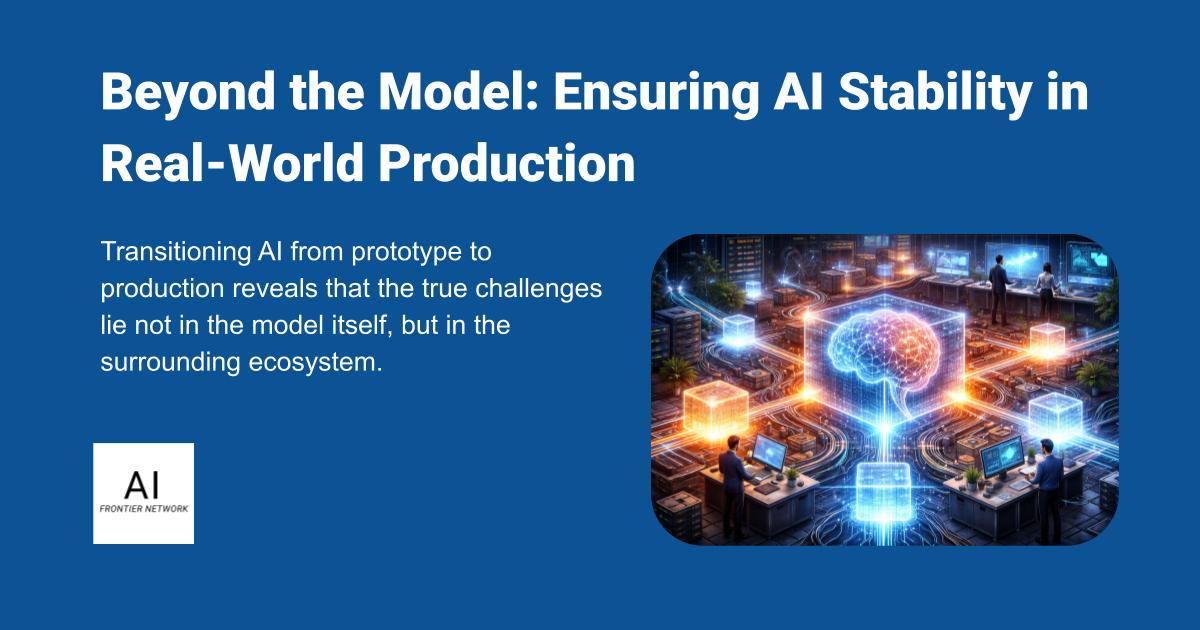
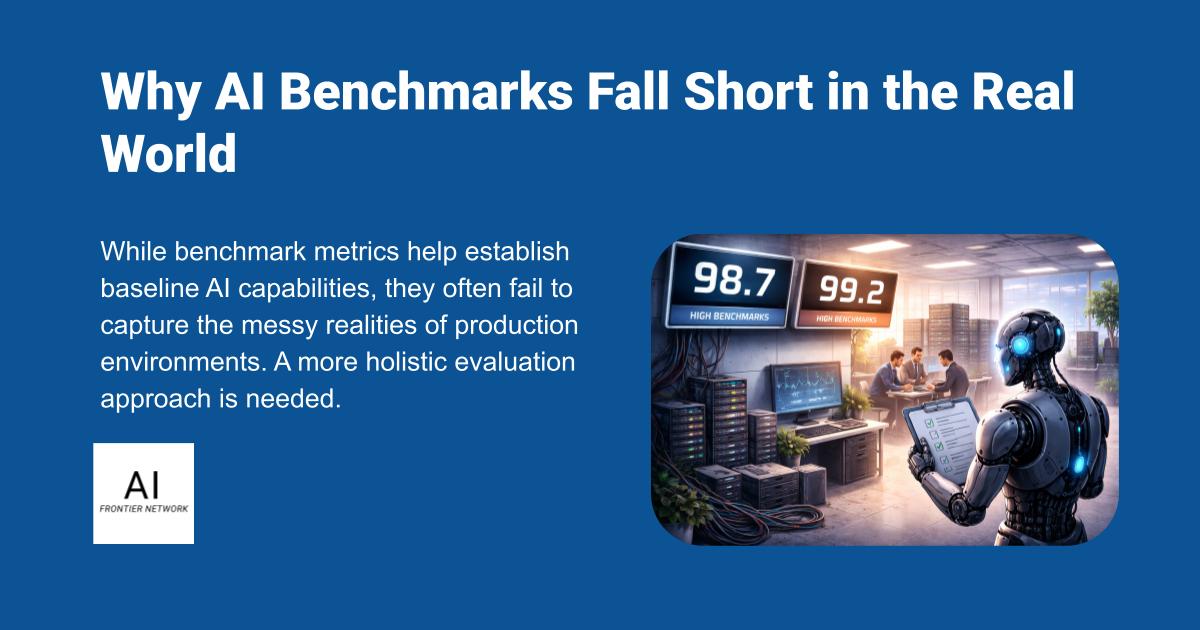
Beyond the Model: Ensuring AI Stability in Real-World Production
Transitioning AI from prototype to production reveals that the true challenges lie not in the model itself, but in the surrounding ecosystem—data pipelines, user behavior, governance, and trust. Success demands resilient systems designed for messiness and unpredictability.


Jimmy Mesta — Why Security Teams Must Fight AI with AI
Jimmy Mesta, co-founder and CTO of RAD Security, explains how modern cybersecurity is shifting from slower, signature-based approaches toward AI-assisted, cloud-native security systems that help teams manage scale, speed, and alert overload while keeping human judgment focused where it matters most.
Scaling AI Beyond Isolated Wins
Enterprise AI scale depends less on model quality than on redesigning the organization around shared platforms, automated governance, accountable leadership, and operational integration that turns AI from a special project into standard business infrastructure.






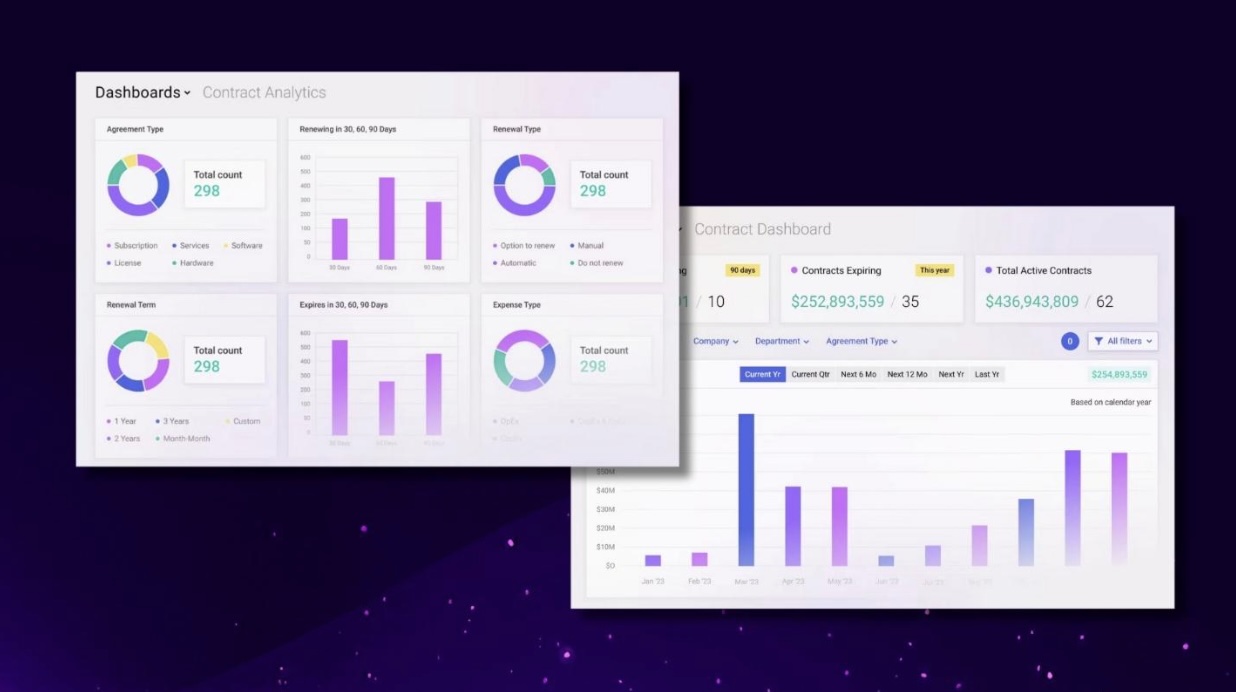


















The Future of Software Delivery: When AI, Smart Contracts, and Freelancers Build Together
The Old Balancing Act For decades, organizations have struggled to balance three constants in software delivery — speed, quality, and cost. Agile promised adaptability. DevOps…




Cucumber Automation in Agile Teams: Empowering Business-Driven Testing for Scalable, Collaborative QA
Cucumber is an open-source tool that supports Behavior-Driven Development BDD. It allows teams to write test scenarios in a human-readable format, typically using the Gherkin…














Diederik Greveling — Early Passion for Computers and Engineering Mindset, Balancing Leadership With Tech Expertise, AI as an Enabler, Scalable AI Use Cases, Democratizing AI in Enterprises
Diederik Greveling is the CTO of Xebia Base, a division of Xebia focused on data, machine learning, and cloud infrastructure. With a…



Luca Zambello — Entrepreneurial Journey, AI Integration and Strategy in Hospitality, Challenges and Cultural Shifts in AI Adoption, AI as an Enhancer Not a Replacement
Luca Zambello is the co-founder and CEO of Jurny, a company at the forefront of hospitality technology. Originally from Italy, Luca…








AI Video Revolution Transforms Global Telecommunications: A Strategic Analysis of Market Disruption, Digital Customer Experience, and Revenue Optimization Through Content Bundling
After covering telecommunications for twenty years, I've witnessed countless industry shifts, but nothing prepared me for what's unfolding right now. Artificial intelligence isn't…













Adnan Masood — Career Origins and AI Journey, Real-World Impact of AI, Transformative Potential & Caution, Community, Mentorship & Education, Future of AI Builders
Adnan Masood is a Chief AI Architect at UST, a global IT service firm, and Microsoft Regional Director. He has spent…

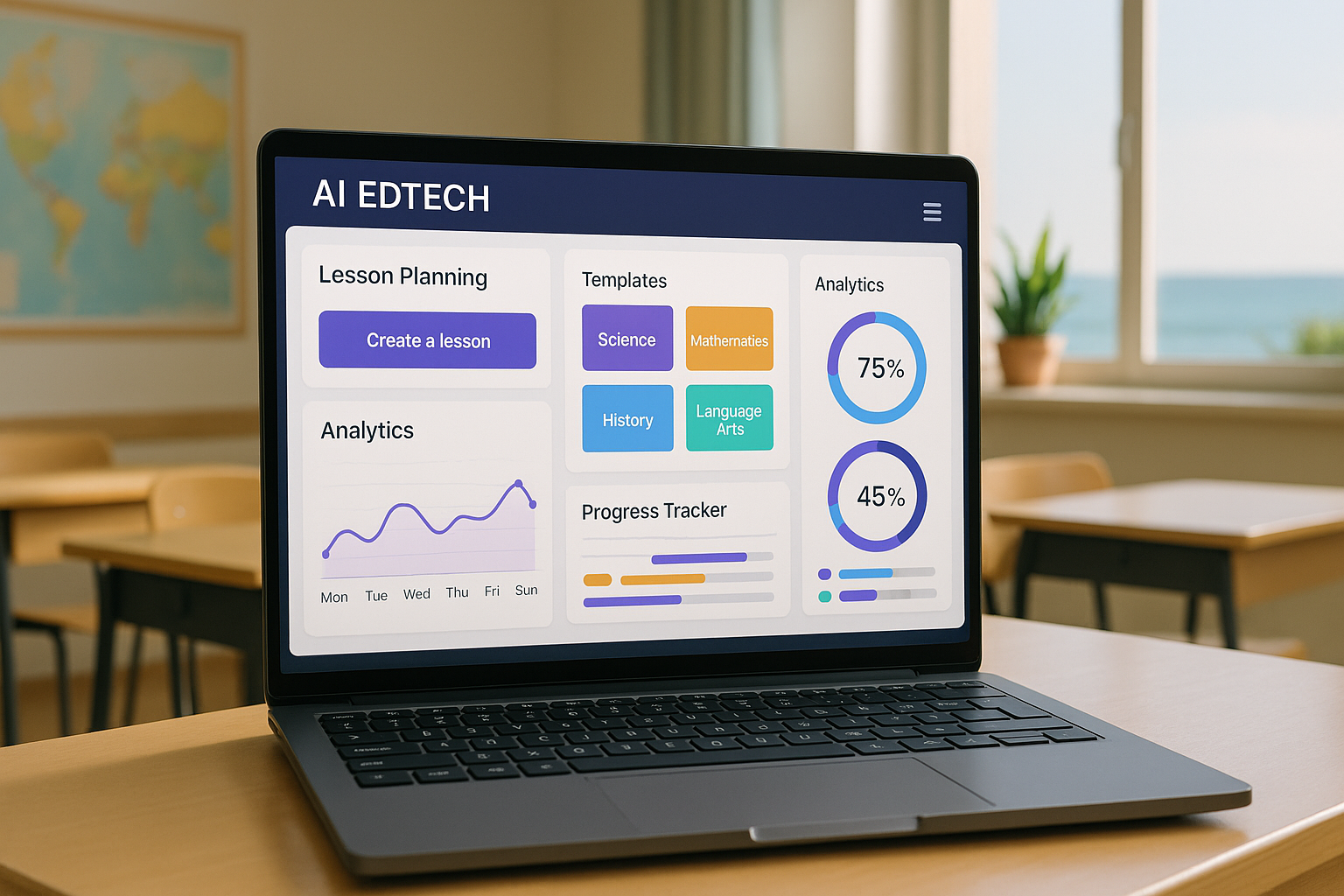


Doug Stephen — Artificial Intelligence in Education, Building Emotional Intelligence, The Future of Human Capital Development, Leveraging Technology for Soft Skill Enhancement
Doug Stephen serves as the President of enterprise learning company CGS Immersive, bringing over 25 years…

Andy Kurtzig — Combining AI with Human Expertise, Understanding the Limitations and Risks of AI, Building Trustworthy AI Systems, Ensuring Accessibility of AI-Powered Services
Andy Kurtzig is the founder of Pearl, an advanced AI search engine designed specifically to enhance quality…


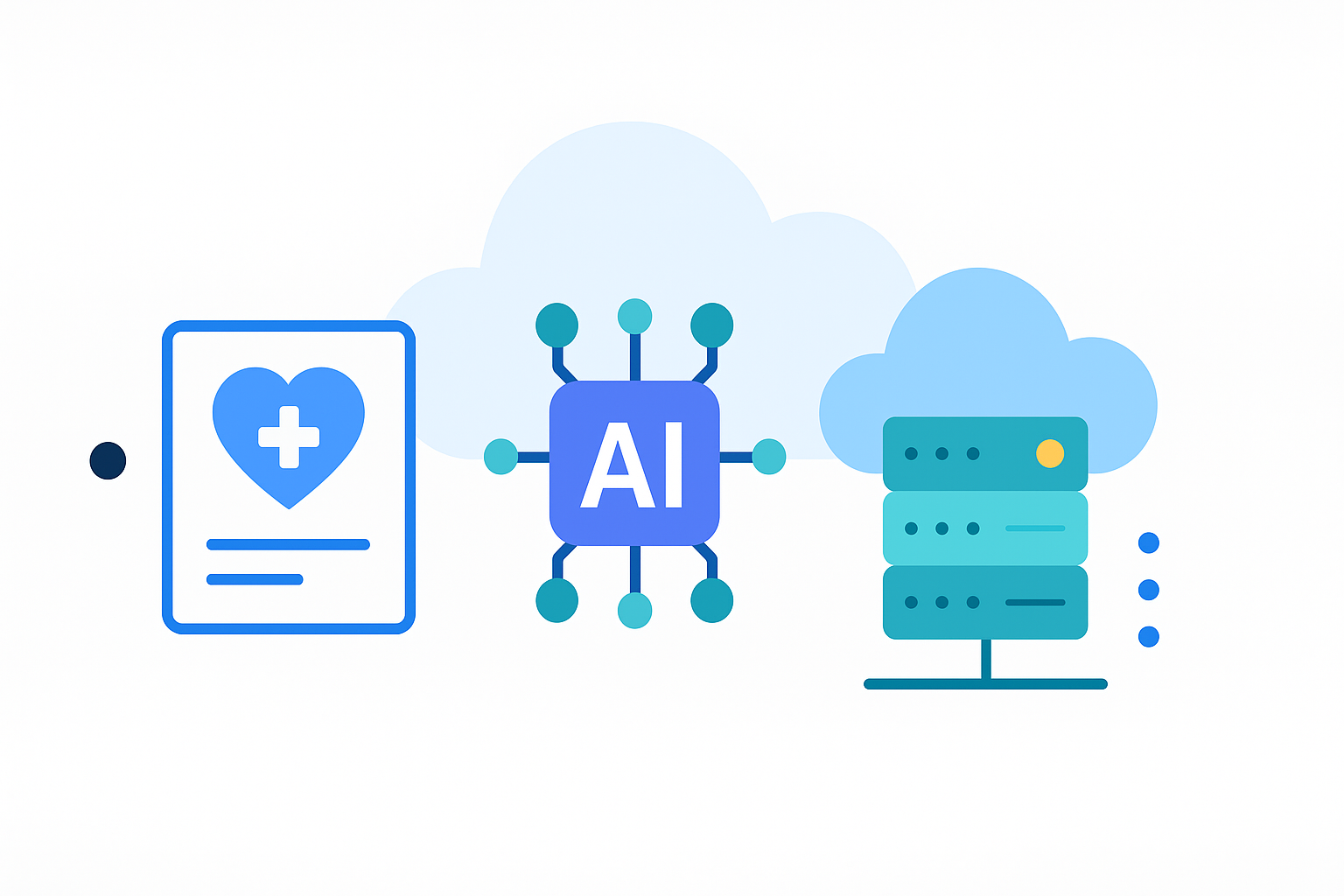
AI Meets FHIR: Transforming Healthcare Interoperability Through Intelligent Automation
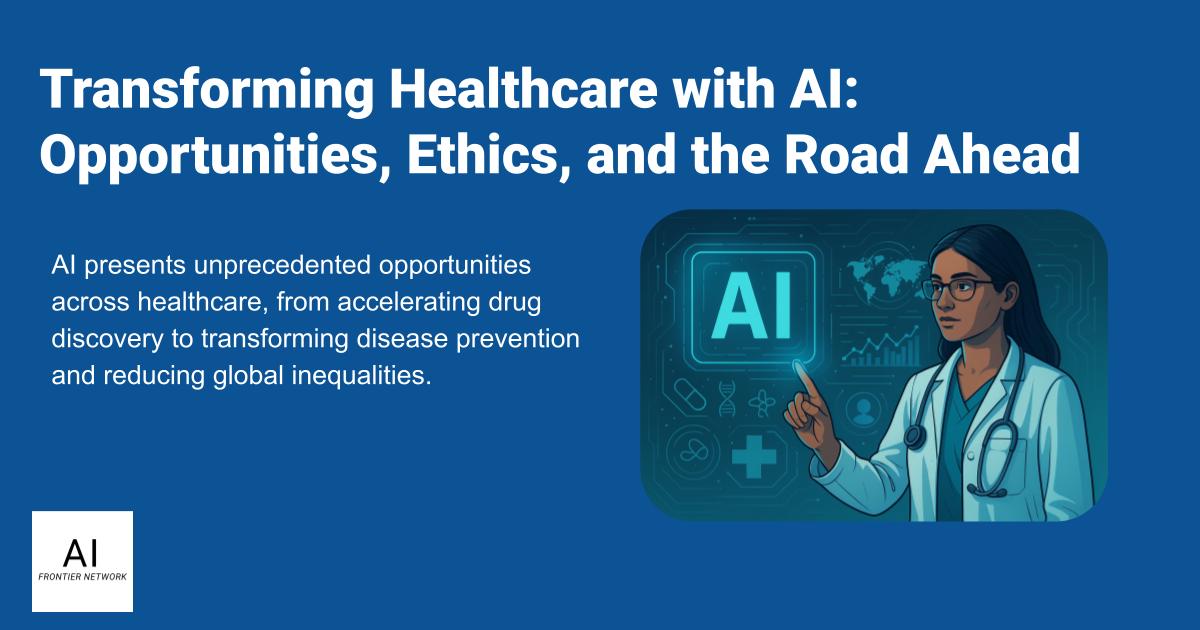
The combination of AI and FHIR represents more than a technological upgrade—it’s a paradigm shift. It allows healthcare systems to move from reactive, paper-driven processes to proactive, real-time intelligence.
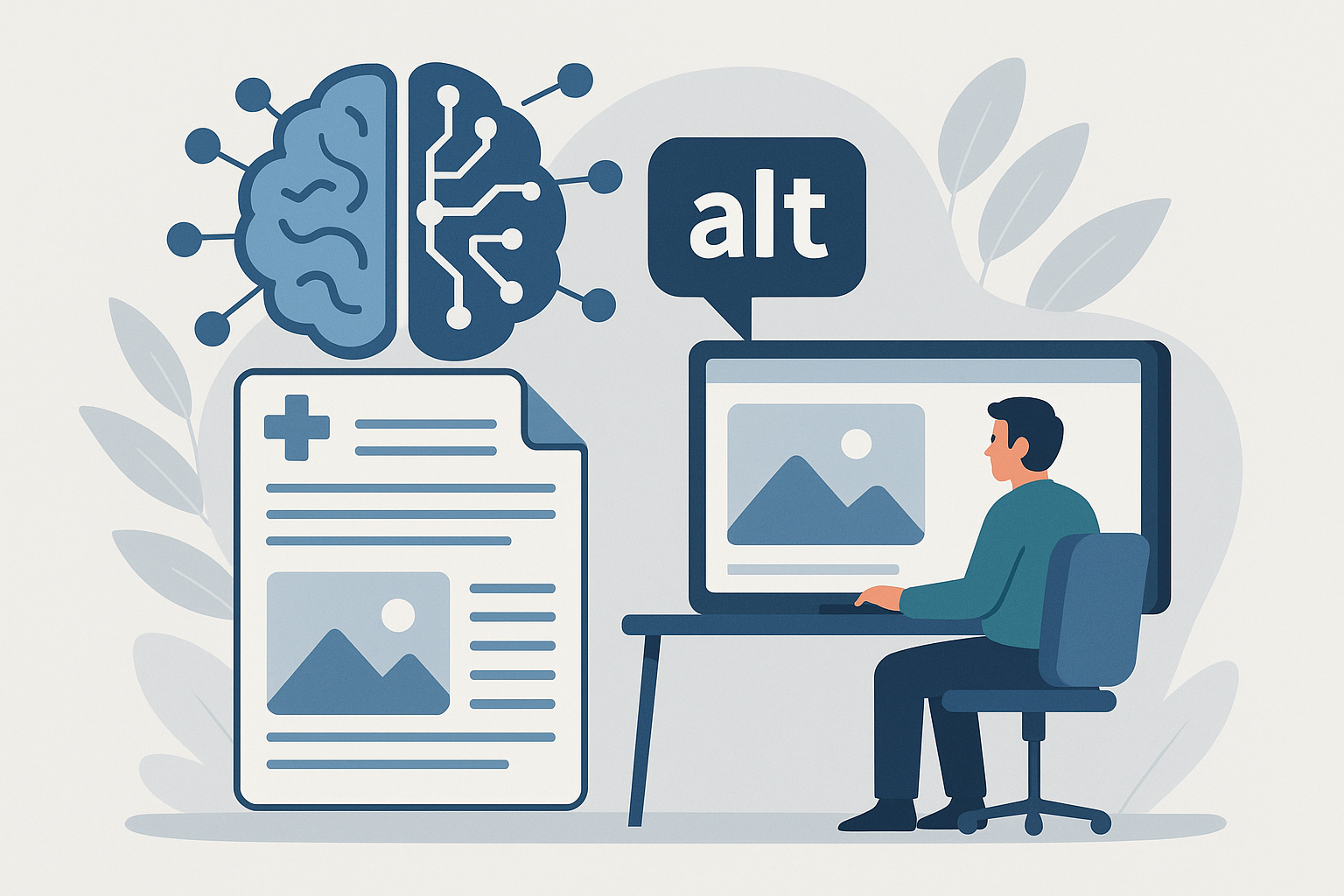
Closing the Accessibility Gap: How Context-Aware AI Can Transform Alt Text on Healthcare Websites
Alternative text or “alt text” may seem like a small detail in the vast digital landscape, yet its absence can create insurmountable barriers for millions of users navigating…

What Business Analysts Need to Learn Now to Stay Relevant in the Age of AI
AI isn’t replacing BAs—it’s reshaping their role. From understanding data not crunching it to ethically navigating AI insights, here’s what today’s analysts need to evolve, adapt, and stay indispensable.

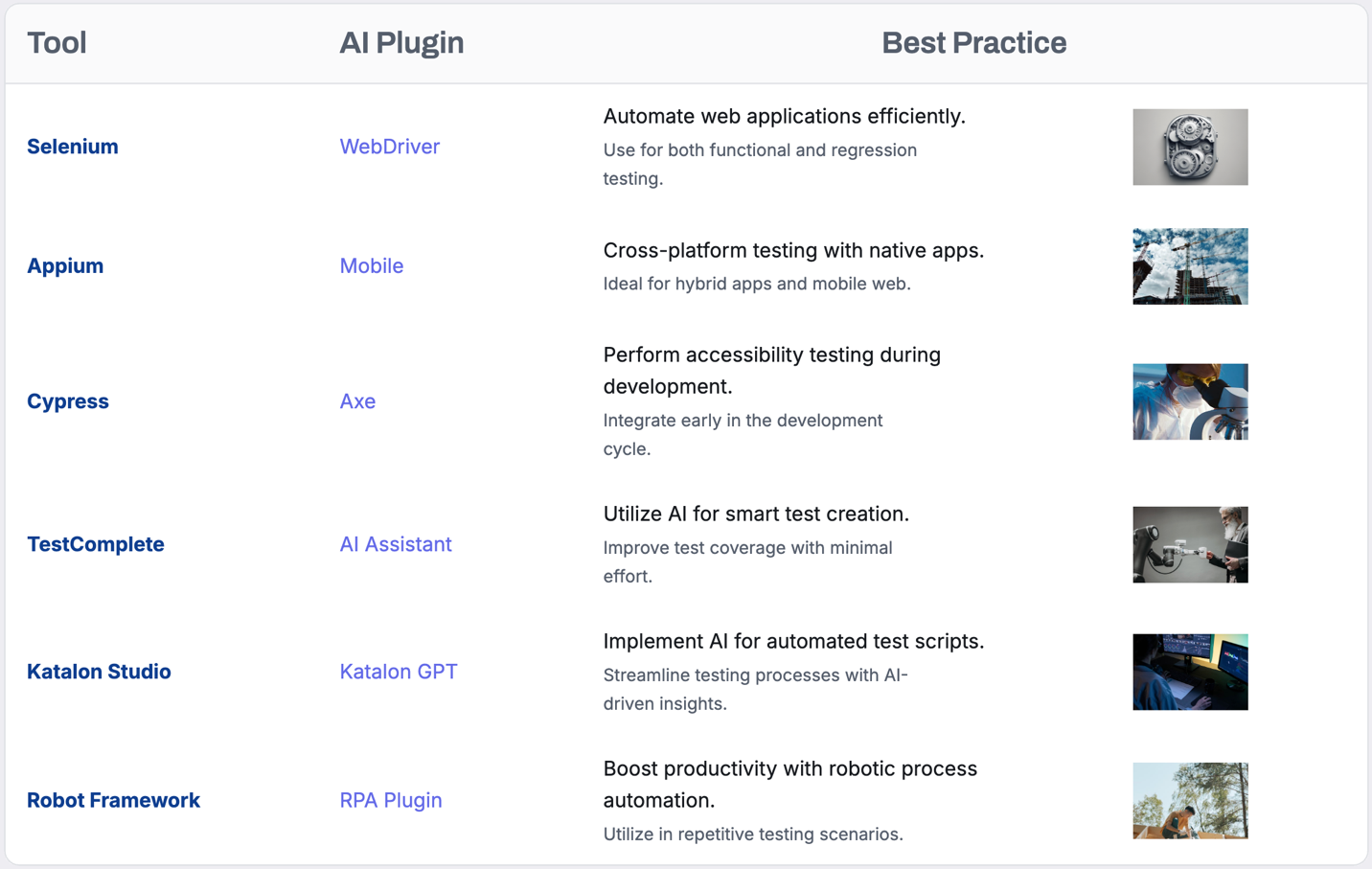
AI-Powered Mobile Automation: Unleashing Its Potential in Test Framework
This article explores the role of AI in mobile automation test frameworks, focusing on mobile automation tools with AI plugins and the application of AI in failure analysis, enriched with expert insights and resources.
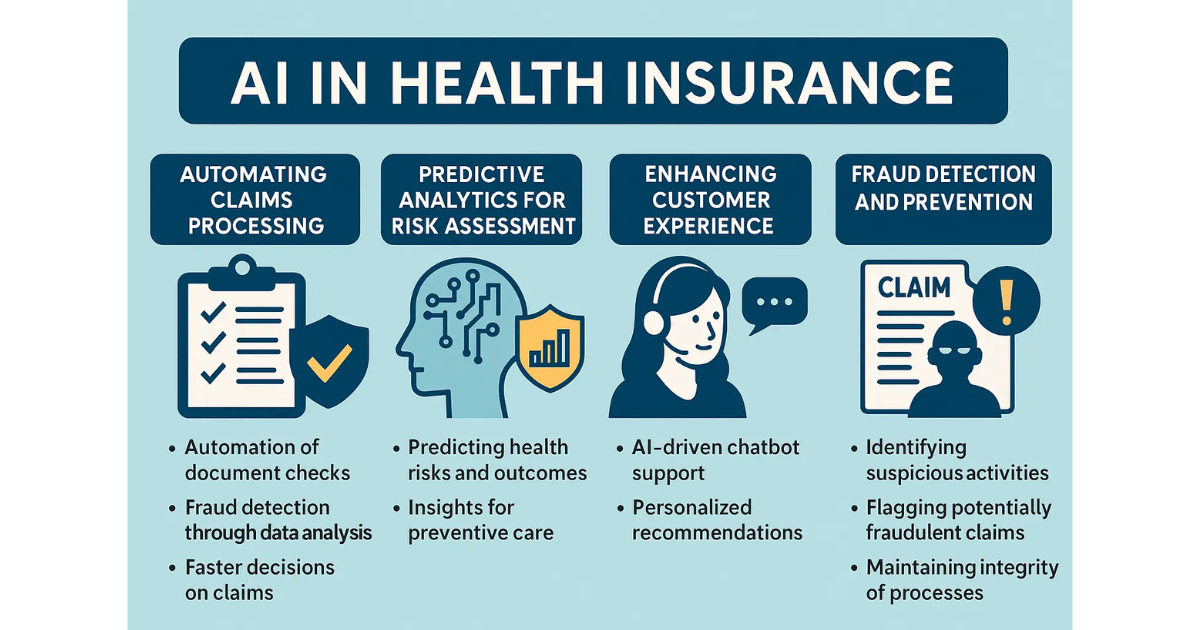
Artificial Intelligence in Health Insurance: Accelerating Processes for Efficiency and Innovation
Artificial Intelligence AI is revolutionizing the health insurance industry by streamlining operations, enhancing customer experiences, and cutting costs. Insurers using AI can reduce operational expenses by up to 30% and accelerate processes by up to 60%, significantly improving efficiency.