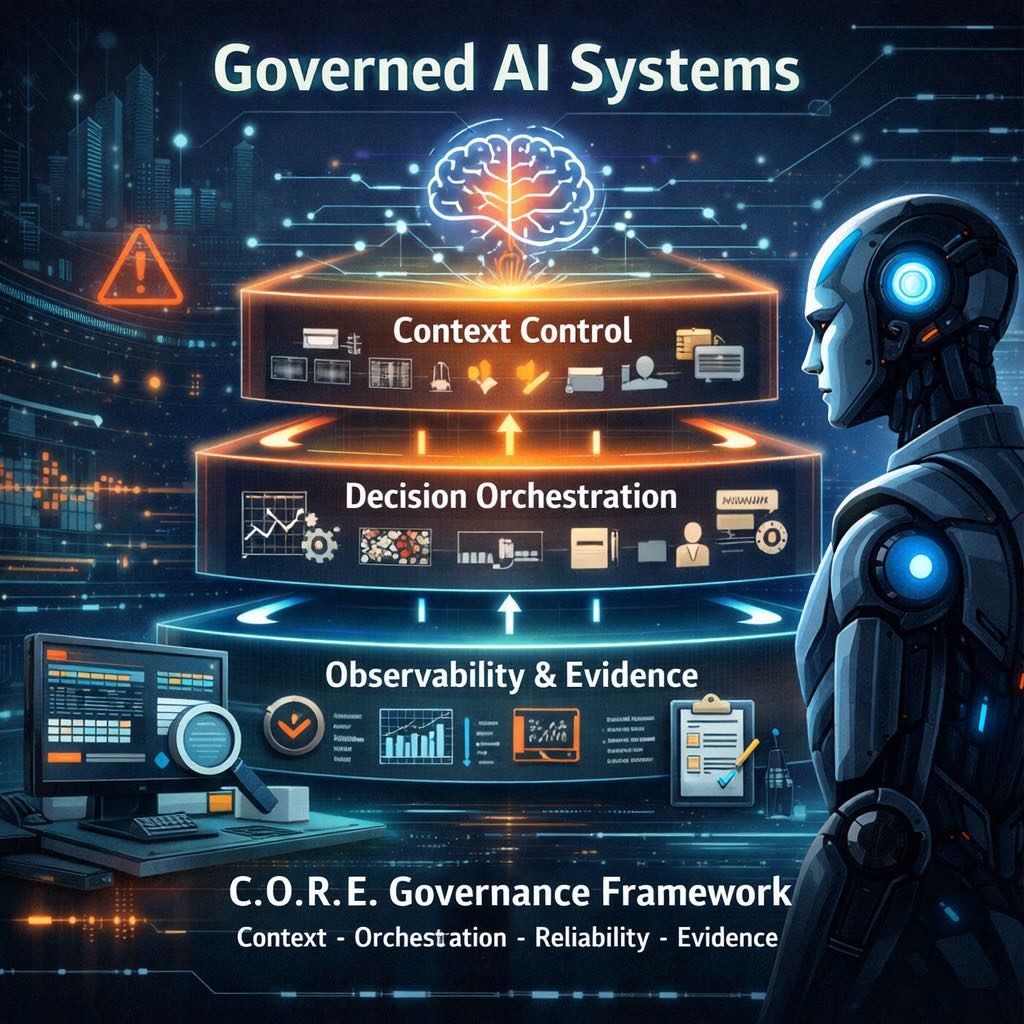
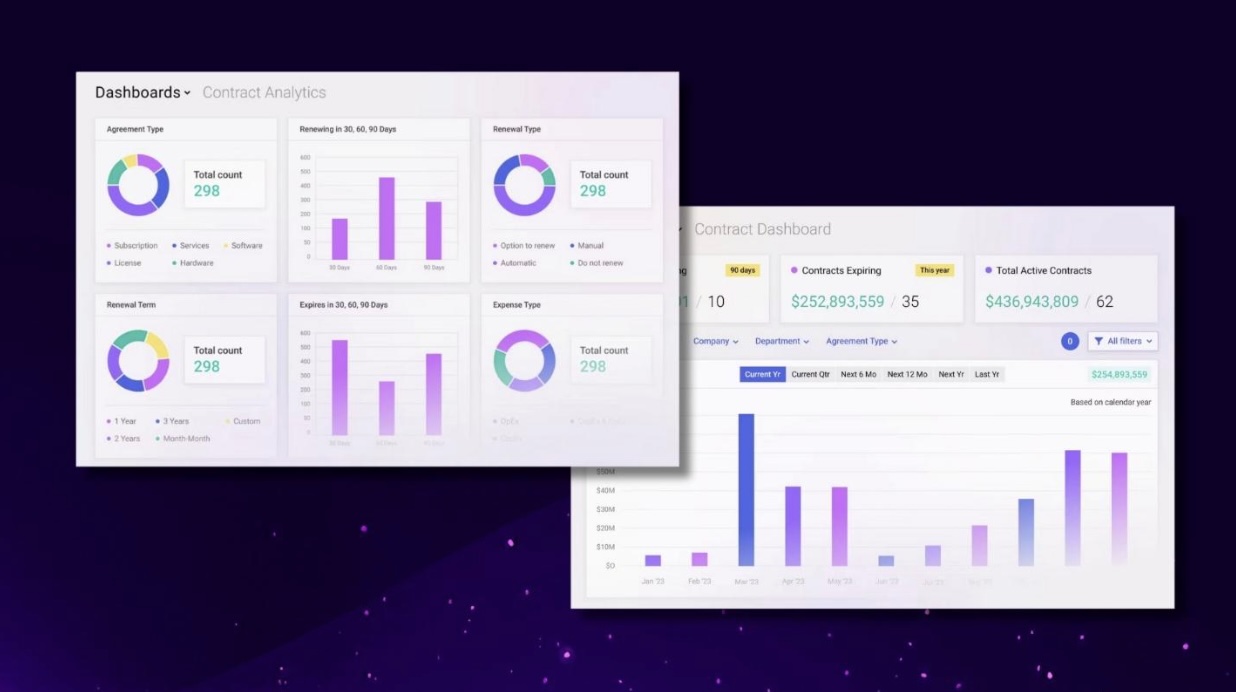
Picture this: Your organization has invested heavily in advanced AI models—predictive analytics, machine learning forecasts, generative recommendations—and the dashboards look impressive. Metrics are green, accuracy scores are high. Yet when leadership asks, “How exactly is this driving more revenue or reducing risk?” the room falls quiet. The models are smart, but the connection to tangible business results feels surprisingly fuzzy.
This is the classic gap many enterprises face today. Building sophisticated models is one thing; turning them into reliable drivers of decision intelligence—where AI doesn't just predict, but actively shapes better business outcomes—is quite another. The good news? With the right approach, organizations are closing that gap and realizing outsized returns from their AI investments.
Why Models Alone Aren't Enough
In theory, a great model should translate directly into better decisions: forecast demand more accurately → optimize inventory → reduce costs. In practice, the journey from insight to impact is littered with obstacles.
Models live in silos, disconnected from operational workflows. Business users struggle to interpret probabilistic outputs. Governance is an afterthought, leading to mistrust. And worst of all, success is measured in technical terms—precision, recall, AUC—rather than dollars, customer satisfaction, or market share.
Traditional analytics stopped at “what happened” and “what might happen.” Decision intelligence takes it further: it focuses on “what should we do” and “did it work?” It treats AI as part of a living decision-making system, not a standalone oracle.
Here are a few real-world scenarios that highlight the difference:
A Retail Transformation Story Many Leaders Recognize
Consider a large retailer modernizing its supply chain forecasting. They deployed state-of-the-art demand prediction models that outperformed legacy statistical methods on every benchmark. Inventory levels looked better on paper—less overstock, fewer stockouts.
But months in, finance teams were raising alarms: margins were flat, and write-offs hadn't budged meaningfully. Why? The model outputs were being manually overridden by planners who didn't trust the “black box” predictions. Regional nuances weren't captured. Promotions were planned separately, creating blind spots.
Enter decision intelligence practices. The team shifted focus from pure model accuracy to end-to-end impact:
- Integrated model recommendations directly into the planning workflow with transparent explanations
- Created feedback loops where overrides were captured and used to retrain models
- Built executive-facing views showing projected P&L impact from following vs. ignoring AI suggestions
- Established KPIs tied to business outcomes: inventory carrying cost reduction, lost sales avoidance, margin improvement
Within quarters, the overrides dropped dramatically. Planners started treating the system as a trusted co-pilot. Most importantly, the business saw measurable financial uplift—millions in savings that could be directly attributed to better decisions powered by the models.
Here are some examples of modern decision intelligence dashboards that bring models and business outcomes together:
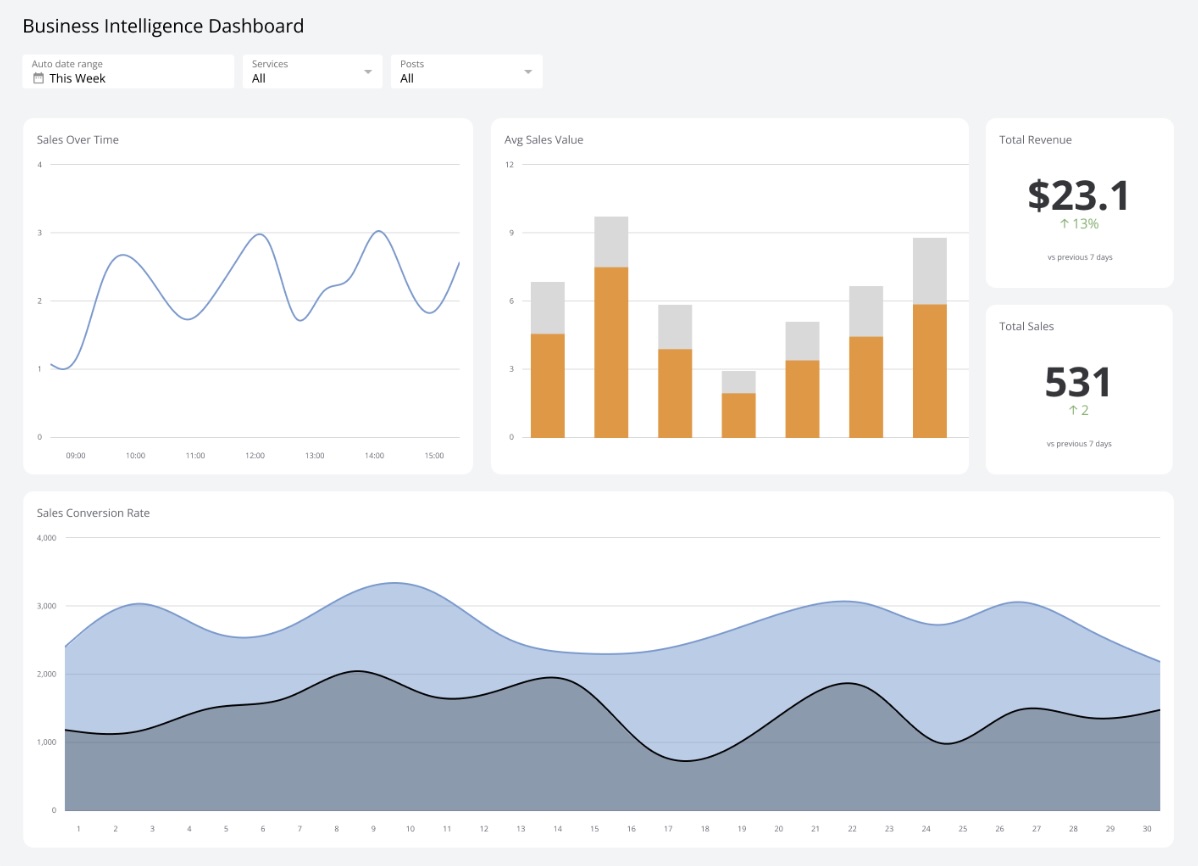
These kinds of integrated views help bridge the gap between technical outputs and strategic impact.
How Decision Intelligence Changes the Game
Decision intelligence isn't a new tool—it's a mindset and architecture shift. It combines AI models with:
- Contextual understanding — Models enriched with business rules, constraints, and real-time data
- Explainability at scale — Natural language summaries of why a recommendation was made
- Action orchestration — Automated or semi-automated workflows that execute decisions
- Continuous learning — Systems that learn from outcomes and refine themselves
- Outcome tracking — Closed-loop measurement that ties AI interventions to business KPIs
This approach turns static models into dynamic assets. It fosters collaboration between data scientists, domain experts, and decision-makers. And perhaps most crucially, it builds trust: when leaders can see how a model recommendation translates to revenue growth or risk reduction, adoption skyrockets.
Teams using this approach often report moving from “interesting experiments” to “core operational differentiators.”
When Decision Intelligence Becomes Competitive Advantage
At its best, decision intelligence evolves from a project to a capability. Imagine:
- Sales teams receiving prioritized leads with projected deal value and recommended next actions
- Risk officers seeing not just probabilities of default, but simulated portfolio impacts under different scenarios
- Operations leaders optimizing in real time with recommendations that balance cost, speed, and sustainability
These aren't futuristic visions—they're happening now in forward-thinking organizations. The common thread? They treat AI not as a prediction engine, but as decision infrastructure.
Here’s a glimpse of how AI pipelines connect models to real business impact:
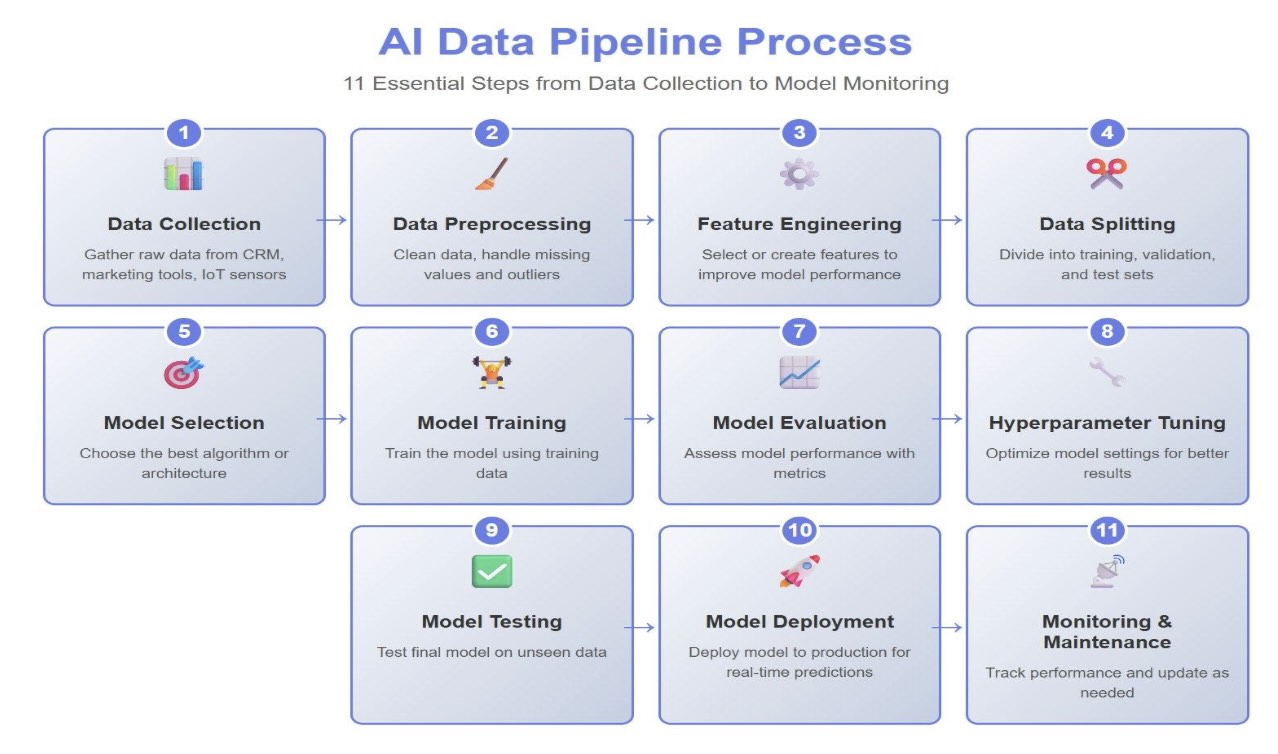
What Are AI Data Pipelines and How Do They Work
The Strategic Payoff
Companies mastering decision intelligence see transformations that go beyond incremental gains:
- Faster decision cycles with higher confidence
- Reduced risk through better scenario planning
- Measurable ROI from AI initiatives
- Stronger alignment between technical teams and business goals
- A culture where data-driven decisions become the default
In an era where every organization is becoming AI-powered, the winners won't be those with the best models—they'll be those who best turn models into outcomes.
Final Thought
Models create insights. Decision intelligence creates impact. In a world drowning in data and possibilities, the real power lies not in predicting the future, but in shaping it—one trusted, outcome-focused decision at a time.
So next time you're reviewing your AI portfolio, ask the harder question: Are we building great models, or are we building great decisions? The answer might just determine your next chapter of growth.